2026-06-16 20:25
The mobility took place in Bucharest, Ploiești and Lipănești, Romania in period between 19–25 April 2026.
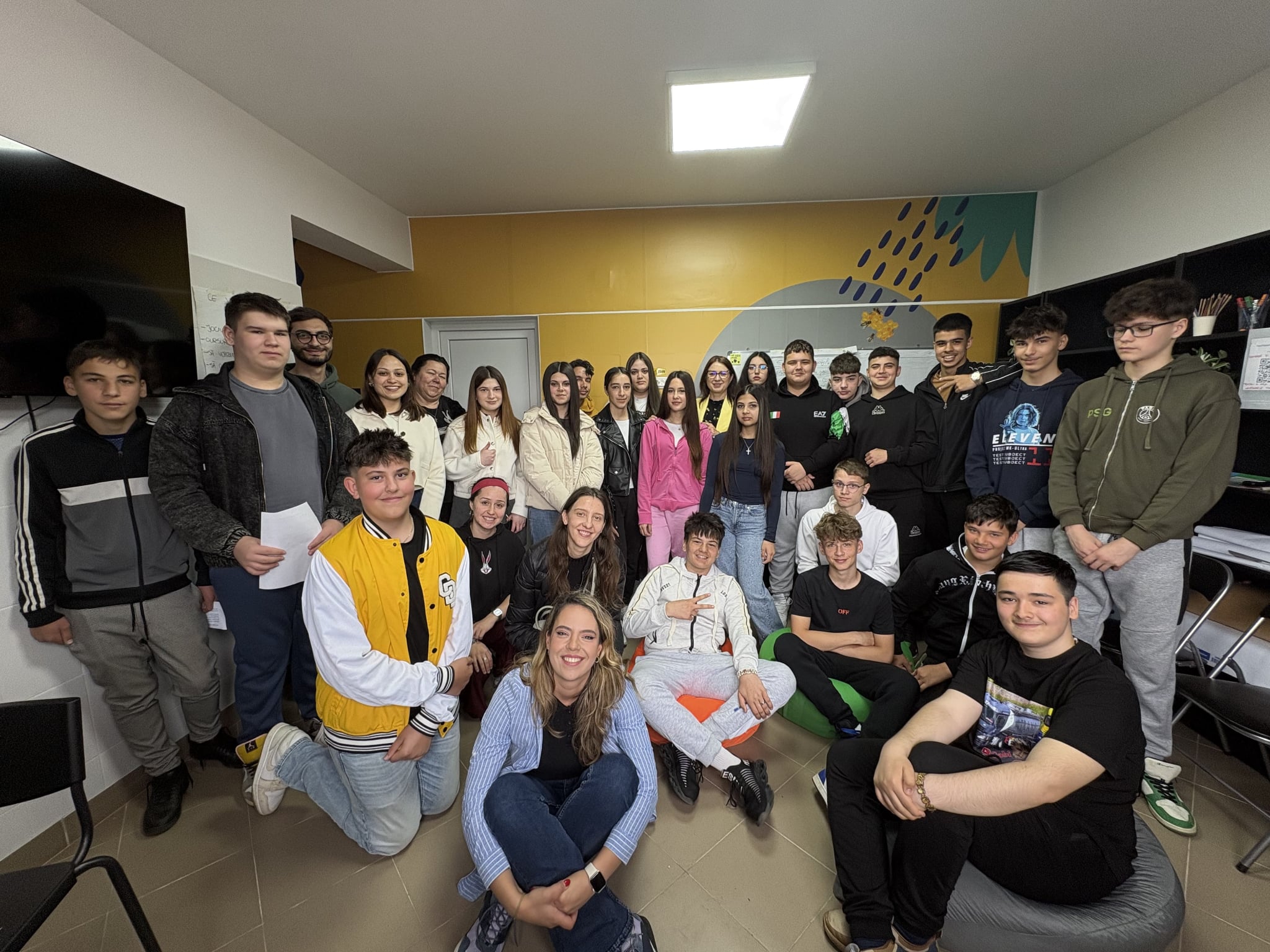
As part of the Erasmus+ project “InnovatorsLab: Gen Z’s Game-Based Peacebuilding”, four youth workers from Bulgaria, Armenia, Türkiye, and Georgia participated in an international Job Shadowing mobility hosted by Asociația Se Poate in Romania between 19 and 25 April 2026.
The activity formed part of the project’s wider effort to strengthen the capacity of youth organizations working with Generation Z by exploring how game-based learning and innovative educational methods can support peacebuilding, dialogue, and conflict transformation.
During five intensive activity days, participants immersed themselves in the daily work of a Romanian youth organization with extensive experience in empowering young people through non-formal education, community engagement, and Erasmus+ initiatives. The mobility provided a valuable opportunity to observe how educational activities are designed and implemented for different groups of young people, while also exploring the social and historical context that shapes contemporary Romanian society.
Testing Escape Rooms for Peacebuilding
A key highlight of the mobility was the play-testing and evaluation of two educational escape room experiences developed within the InnovatorsLab project.
Participants joined local young people and youth workers in testing “The Cooperation Code”, developed by the Bulgarian partnership, and “Rebuilding Babel”, created by the Romanian team. Through collaborative problem-solving, communication challenges, and reflection exercises, participants explored how game-based learning can foster skills essential for peacebuilding, including cooperation, empathy, active listening, resilience, and conflict resolution.
The testing sessions generated valuable feedback on both educational tools. Participants reflected on how different game mechanics influence group dynamics and how experiential learning can encourage deeper self-awareness regarding communication styles, decision-making, and teamwork. These insights will contribute to the further refinement of the project’s educational resources before their final publication.
Understanding the Reality of Romanian Gen Z Youth
The mobility also provided an opportunity to observe youth work in rural and urban contexts. Participants visited the youth centre established by Asociația Se Poate in Lipănești, where they attended workshops focused on biodiversity protection and active participation in community decision-making.
Through direct interaction with local young people, participants gained a deeper understanding of the realities faced by Generation Z in Romania, particularly in rural communities where geographical and educational challenges can affect opportunities for participation. At the same time, they witnessed the important role played by teachers, youth workers, and local organizations in supporting young people's development and civic engagement.
The experience allowed participants to compare approaches used in their own countries and identify common challenges faced by young people across the region.
Learning from History and Peacebuilding
An important dimension of the mobility focused on understanding peacebuilding through the lens of history and collective memory. Guided visits to museums and historical sites in Bucharest introduced participants to key moments from Romania’s recent past, including the communist period and the 1989 Revolution.
These activities encouraged reflection on themes such as resilience, freedom, social change, and the role of young people in shaping democratic societies. By connecting historical experiences with contemporary challenges, participants explored how education can contribute to building more inclusive, peaceful, and resilient communities.
Strengthening International Cooperation
Beyond the educational activities, the job shadowing mobility created space for meaningful intercultural exchange and professional development. Participants gained practical insights into project management, youth participation, workshop facilitation, and community engagement while sharing experiences from their own organizations and local contexts.
The mobility reinforced the value of international cooperation in youth work and highlighted the importance of exchanging good practices across different cultural settings. It also demonstrated how game-based learning can be adapted to diverse communities while maintaining its effectiveness as a tool for peace education and dialogue.
Building Better Tools for Youth Work
The Romania mobility represented an important milestone within the InnovatorsLab project. The observations, reflections, and feedback gathered throughout the week will support the ongoing development of the project’s educational platform, escape room methodologies, and peacebuilding resources.
By bringing together youth workers from different countries and creating opportunities for direct engagement with local communities, the activity contributed to the project’s overall goal of equipping organizations with innovative tools that help Generation Z develop the skills, attitudes, and competences needed to build more peaceful and inclusive societies.
 Home
Home
 News
News
 Activities
 About us


