2026-06-16 20:37
The mobility took place in Bansko, Razlog, Belitsa and Pernik, Bulgaria in period between 4–10 May 2026.
As part of the Erasmus+ project “InnovatorsLab: Gen Z’s Game-Based Peacebuilding”, youth workers from Armenia, Georgia, Romania, and Türkiye participated in an international Job Shadowing mobility hosted by Alternativi International in Bansko, Bulgaria, between 4 and 10 May 2026.
The activity was designed to strengthen the capacities of youth workers and partner organizations in the field of peacebuilding through game-based learning. By providing opportunities to observe, test, and analyse the implementation of educational escape rooms in real-life settings, the mobility contributed to the project's objective of developing innovative methods that engage Generation Z in dialogue, cooperation, empathy, and conflict transformation.
Exploring Peacebuilding Through Practice
Throughout the mobility, participants were immersed in the daily work of Alternativi International and had the opportunity to observe how non-formal education methods are used to address social challenges and promote peaceful coexistence among young people.
The programme focused on creating a comprehensive capacity-building environment where participants could exchange experiences, observe different facilitation approaches, and explore how game-based learning can be adapted to diverse youth groups and community contexts.
Through direct observation and active participation, the visitors gained valuable insights into how educational escape rooms can support the development of communication, teamwork, critical thinking, and conflict-resolution skills among young people.
Testing Educational Escape Rooms with Young People
One of the key elements of the mobility was the practical testing of the educational escape rooms developed within the InnovatorsLab project.
Participants joined two dedicated workshops organised in Razlog and Belitsa, where local groups of young people took part in the escape room activities. These sessions allowed the visiting youth workers to observe first-hand how young participants interact with game-based learning methodologies and how the educational objectives are translated into practical learning experiences.
The workshops provided valuable opportunities to assess participant engagement, group dynamics, communication patterns, and problem-solving approaches. Through observation and reflection, the job shadowers explored how escape rooms can create safe spaces for discussing complex topics related to cooperation, empathy, trust, and peaceful conflict management.
The feedback and observations gathered during these sessions contributed to a deeper understanding of how the methodology resonates with Generation Z participants from different social and cultural backgrounds.
Learning from the International Youth Center in Pernik
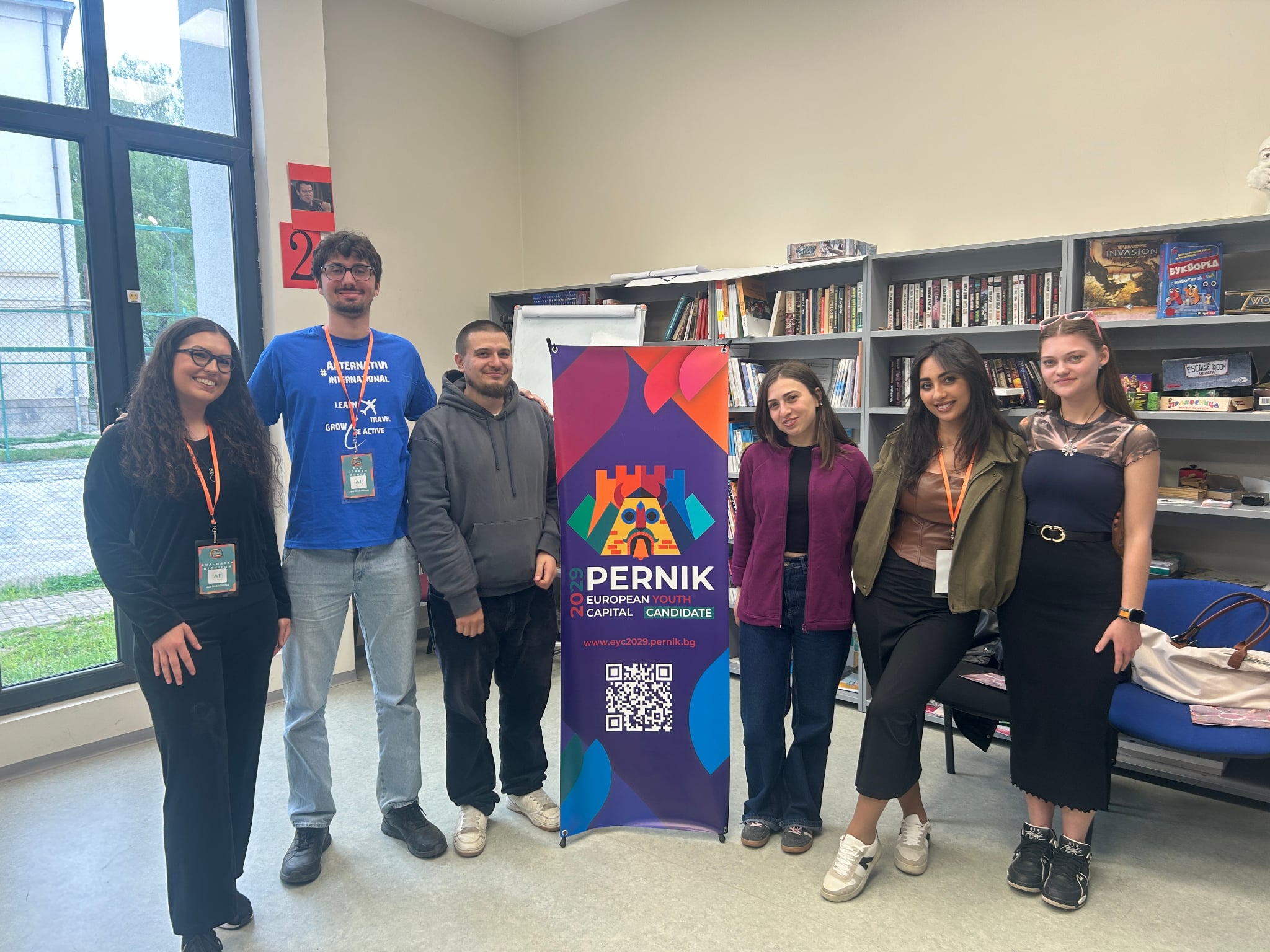
An important component of the mobility was a study visit to the International Youth Center in Pernik, one of Bulgaria’s leading youth organisations working in the field of youth participation and non-formal education.
During the visit, participants had the opportunity to meet with youth workers and facilitators who shared their experience in designing and implementing educational escape rooms. Discussions focused on the creative process behind escape room development, the educational objectives embedded within the activities, and the practical challenges of using game-based methods in youth work.
Following the discussion, participants tested an educational escape room developed by the Youth Center team, allowing them to experience the methodology from the perspective of participants while reflecting on its educational impact and transferability to their own contexts.
Intercultural Learning and Exchange of Practices
Beyond the structured activities, the mobility created numerous opportunities for intercultural exchange and dialogue. Participants interacted with young people and community members from a wide variety of social, cultural, ethnic, and religious backgrounds.
These encounters provided important learning moments and encouraged participants to reflect on the similarities and differences between their communities. Through conversations, observations, and shared experiences, they explored how peacebuilding approaches can be adapted to different cultural realities while maintaining their core values of inclusion, respect, empathy, and cooperation.
The international dimension of the activity reinforced the importance of intercultural understanding and highlighted the role that youth work can play in building bridges between communities.
Strengthening Capacity for Peacebuilding
The Bulgarian Job Shadowing activity represented an important opportunity for participants to strengthen their competences in facilitation, non-formal education, game-based learning, and peacebuilding methodologies.
By combining practical testing, observation, reflection, and exchange of practices, the mobility supported the development of youth workers who are better equipped to design meaningful educational experiences for Generation Z. Participants gained new ideas, tools, and approaches that can be transferred to their own organisations and adapted to local realities.
Contributing to the InnovatorsLab Project
The experiences and feedback collected during the mobility will contribute to the ongoing development and refinement of the InnovatorsLab educational resources, including the project’s escape room methodologies and peacebuilding tools.
The activity demonstrated the value of learning through experience and confirmed the potential of game-based learning to engage young people in meaningful discussions about communication, cooperation, empathy, and peaceful conflict transformation.
Through collaboration, experimentation, and intercultural exchange, the Job Shadowing activity in Bulgaria further strengthened the partnership’s shared commitment to creating innovative and impactful peacebuilding tools for Generation Z.
 Home
Home
 News
News
 Activities
 About us


